Mastering Calm: Your Complete Guide to Stress Management
In today's fast-paced world, feeling stressed is a common experience. While a little stress can be motivating, ongoing pressure can affect our well-being, productivity, and relationships. The good news is that with the right strategies and consistent practice, you can effectively manage stress and cultivate a greater sense of balance and calm in your life. This comprehensive guide offers simple, actionable advice to help you navigate life's challenges more smoothly.
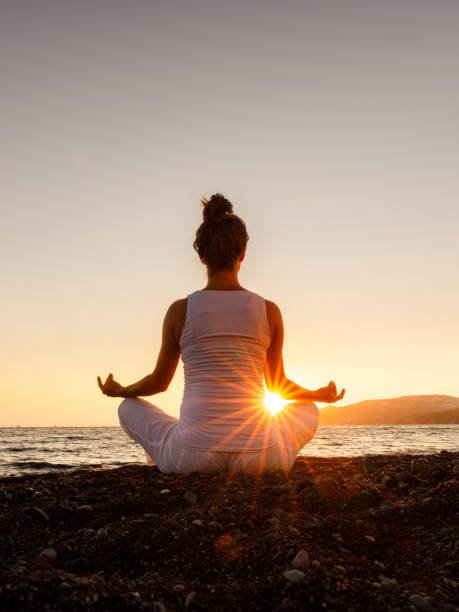
Actionable Tips for Everyday Well-being
Incorporating small, consistent habits into your daily routine can make a significant difference in your stress levels and overall mental health. Here are some proven techniques to support your emotional and physical well-being:
- Prioritize Mindful Breathing: When you feel overwhelmed, take a few moments to focus on your breath. Slow, deep breaths can help calm your nervous system and bring you back to the present moment. Even just two minutes of conscious breathing can create a noticeable shift in how you feel.
- Nourish Your Body: A balanced diet plays a crucial role in how you feel mentally and emotionally. Aim for regular meals rich in fruits, vegetables, whole grains, and lean proteins to stabilize your mood and energy levels throughout the day.
- Embrace Regular Movement: Physical activity is a powerful way to improve your mood and reduce tension. Whether it's a brisk walk, yoga, swimming, or dancing, find an activity you genuinely enjoy and make it a regular part of your week.
- Establish a Sleep Routine: Quality sleep is fundamental to your resilience and stress management. Try to go to bed and wake up around the same time each day, and create a restful environment in your bedroom by minimizing light and noise.
- Connect with Others: Sharing your feelings with trusted friends, family, or a supportive community can provide comfort, perspective, and validation. Meaningful social connections are essential for our emotional well-being.
- Set Healthy Boundaries: Learning to say no to excessive demands protects your mental energy. Clear boundaries between work and personal time help prevent burnout and maintain balance.
Simple Exercises for On-the-Spot Calm
When you need immediate relief from stress or anxiety, these simple exercises can be performed anywhere—at your desk, at home, or even in your car—to help you reset and refocus. Practice these techniques regularly to build your stress management toolkit.
1. The 4-7-8 Breathing Technique
This rhythmic breathing pattern is excellent for promoting deep relaxation and calming your nervous system. Many people report feeling noticeably calmer after just one cycle.
- Find a comfortable seated position with your back straight.
- Breathe in quietly through your nose for a count of 4.
- Hold your breath gently for a count of 7.
- Exhale completely through your mouth, making a gentle whoosh sound, for a count of 8.
- Repeat the cycle three to five times, or until you feel more relaxed.
Best for: Anxiety relief, before important meetings, or bedtime relaxation.
2. Progressive Muscle Relaxation
This exercise involves systematically tensing and then relaxing different muscle groups throughout your body. It helps you become aware of physical tension and teaches your body how to release it.
- Find a quiet, comfortable place where you won't be disturbed for 10-15 minutes.
- Start with your feet. Tense the muscles for 5 seconds, then release and relax for 10 seconds, noticing the difference.
- Move progressively up your body: calves, thighs, abdomen, chest, arms, shoulders, neck, and face.
- Finish with your face, clenching your jaw and furrowing your brow before releasing completely.
- Take a moment to notice the overall sense of relaxation throughout your entire body.
Best for: Physical tension relief, evening wind-down, or before sleep.
3. Grounding Technique: The 5-4-3-2-1 Method
This sensory-based exercise brings your attention to the present moment and away from stressful thoughts. It's particularly helpful during moments of anxiety or panic.
- Notice 5 things you can see around you. Look at colors, shapes, and textures.
- Identify 4 things you can physically feel. This could be the texture of your clothing, the temperature of the air, or your feet on the ground.
- Listen for 3 things you can hear. These might be distant sounds or subtle noises in your environment.
- Notice 2 things you can smell. If you can't identify smells, think of your favorite scents.
- Identify 1 thing you can taste. This could be residual flavors from food or drink.
Best for: Anxiety attacks, racing thoughts, or moments of overwhelm.
Frequently Asked Questions
Here are answers to common questions about stress management and these techniques:
Many people notice immediate benefits after practicing these exercises even once. However, the more consistently you practice, the more effective they become. Think of stress management like physical fitness—regular practice builds your capacity to handle stress more effectively. Most people report noticeable improvements within 2-3 weeks of daily practice.
Absolutely! All three exercises can be done discreetly at your desk or in a break room. The breathing techniques and grounding method are particularly quick and require no special setup. Even taking just 2-3 minutes for a breathing exercise during your workday can significantly reduce stress and improve focus. Consider setting a reminder on your phone to practice during your lunch break or before important meetings.
This is completely normal, especially when you're first starting out. Your mind may wander, and that's okay. The practice isn't about achieving perfect focus—it's about gently bringing your attention back when it drifts. Think of it like exercising a muscle. Start with shorter sessions (even 1-2 minutes) and gradually increase the duration as you become more comfortable. You might also try combining breathing exercises with movement, like walking meditation.
These techniques are generally safe and beneficial for most people. However, if you have a history of trauma, panic disorder, or other mental health conditions, it's wise to consult with a healthcare professional before starting any new stress management practice. They can help you choose techniques that are most appropriate for your individual situation and guide you through the process.
The best exercise is the one you'll actually use consistently. Try each technique a few times and notice which one feels most natural and effective for you. Some people prefer breathing exercises, while others find grounding techniques more helpful. You might also discover that different techniques work better in different situations—for example, the 5-4-3-2-1 method during anxiety, and progressive muscle relaxation before bed.
Building Your Personalized Stress Management Plan
Everyone's stress triggers and preferences are different. The key to successful stress management is creating a plan that works specifically for you. Consider these steps:
Spend a few days noticing what situations, people, or activities cause you the most stress. Keep a simple log if it helps. Understanding your triggers is the first step toward managing them effectively.
From the tips and exercises in this guide, select 2-3 that resonate with you. You don't need to do everything—focus on what feels manageable and sustainable.
Set a specific time each day to practice your chosen techniques. Consistency is more important than duration. Even 5-10 minutes daily is more effective than occasional longer sessions.
Notice how you feel after practicing. You might keep a simple journal noting your stress level before and after each session. This helps you see the positive impact and stay motivated.
Your Journey to Greater Calm Starts Now
By integrating these tips and exercises into your life, you are taking positive and meaningful steps toward managing stress and improving your overall well-being. Remember that progress, not perfection, is the goal. Be patient and compassionate with yourself as you develop these new habits.
Stress management is not about eliminating all stress—that's impossible and not even desirable. Rather, it's about developing the skills and awareness to respond to stress in healthier, more balanced ways. With consistent practice, you'll find that you naturally become more resilient, calm, and better equipped to handle whatever challenges come your way.
Start Your Practice Today
Choose one technique from this guide and commit to practicing it for the next week. Notice how you feel, and build from there. Your well-being is worth the investment.